In 1981, Bob Graham, former Florida Governor and U.S. Senator, and singer and songwriter Jimmy Buffett founded Save the Manatee Club. The Club started with the mission to protect manatees and their habitat. Today, Save the Manatee Club… Read More
Come join us August 16th from 7-9pm at Leu Gardens to learn from Maggie O’Halloran with the Florida School of Holistic Living. She will share information about Florida edible and medicinal wild plants. She will also bring some live… Read More
We are so excited to see you….in person! We are going to have our annual December potluck but in January!! If you haven’t been to our annual potluck you are missing out! Not only do we get to… Read More
Let’s meet-up! We miss you. Instead of our traditional meeting let’s get outside and see each other. We will meet at Redlight Redlight on Corrine Drive June 15th from 7-9pm. All programs are held the 3rd Wednesday of… Read More
Want to go to Antarctica without leaving the warmth of your home? Well, you are in luck! Our speaker this month will take you along his journey. On December 30, 2001, Sierra Club member Joe Young joined a… Read More
Central Florida Sierrans, We are so excited to see you….in person! We are going to have our annual December potluck at Blue Jacket Park. If you haven’t been to our annual potluck you are missing out! Not only… Read More
We are honored that U.S. Representative Demings serving Florida’s 10th Congressional District will be joining us this evening. She had to reschedule last time we were planning on having her, but we are so happy she can join… Read More
We are honored that U.S. Representative Demings serving Florida’s 10th Congressional District will be joining us this evening. Come here what she has been doing as your elected official. Can’t wait to see you online! *** Sierra Club… Read More
We are excited to welcome David Eisenberg to be our speaker this month. He is the chair of the Verdugo Hills Sierra Club Group in Southern California. He is a life member and has been leading Sierra Club… Read More
Can’t wait to see you (on Zoom) for our June meeting. We are happy to welcome Susannah Randolph is the Senior Campaign Representative in Florida for the Sierra Club’s Beyond Coal Campaign. She is a trained community organizer… Read More


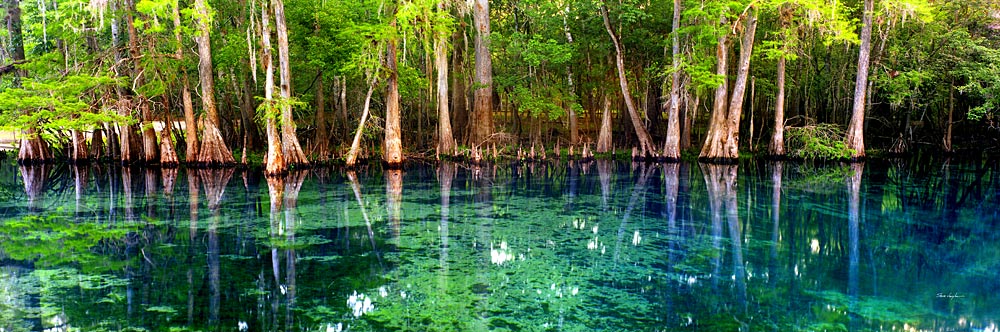
Save the Manatee Club
Last Updated: August 13, 2023 by Julie Levine Leave a Comment
In 1981, Bob Graham, former Florida Governor and U.S. Senator, and singer and songwriter Jimmy Buffett founded Save the Manatee Club. The Club started with the mission to protect manatees and their habitat. Today, Save the Manatee Club… Read More
Category: Climate Change, Conservation Issues, Membership Meetings, Sustainability, Uncategorized, Water, Wildlife
Edible and Medicinal Plants Around Us
Last Updated: August 13, 2023 by Julie Levine Leave a Comment
Come join us August 16th from 7-9pm at Leu Gardens to learn from Maggie O’Halloran with the Florida School of Holistic Living. She will share information about Florida edible and medicinal wild plants. She will also bring some live… Read More
Category: Membership Meetings, Wildlife
Annual Potluck moved to January!
Last Updated: January 5, 2023 by Julie Levine Leave a Comment
We are so excited to see you….in person! We are going to have our annual December potluck but in January!! If you haven’t been to our annual potluck you are missing out! Not only do we get to… Read More
Category: Membership Meetings
June Green Drinks!
Last Updated: May 5, 2022 by Julie Levine Leave a Comment
Let’s meet-up! We miss you. Instead of our traditional meeting let’s get outside and see each other. We will meet at Redlight Redlight on Corrine Drive June 15th from 7-9pm. All programs are held the 3rd Wednesday of… Read More
Category: Events
January 2022 Meeting – Travel to Antarctica with us!
Posted: January 18, 2022 by Julie Levine Leave a Comment
Want to go to Antarctica without leaving the warmth of your home? Well, you are in luck! Our speaker this month will take you along his journey. On December 30, 2001, Sierra Club member Joe Young joined a… Read More
Category: Membership Meetings, Wildlife
OUTDOOR POTLUCK! :) December Member Meeting!
Last Updated: December 8, 2021 by Julie Levine Leave a Comment
Central Florida Sierrans, We are so excited to see you….in person! We are going to have our annual December potluck at Blue Jacket Park. If you haven’t been to our annual potluck you are missing out! Not only… Read More
Category: Events, Membership Meetings, Volunteers
Congresswomen Demings speaking at our November Meeting!
Posted: November 14, 2021 by Julie Levine Leave a Comment
We are honored that U.S. Representative Demings serving Florida’s 10th Congressional District will be joining us this evening. She had to reschedule last time we were planning on having her, but we are so happy she can join… Read More
Category: Uncategorized
September Meeting – An Evening With Congresswoman Demings
Posted: August 15, 2021 by Julie Levine Leave a Comment
We are honored that U.S. Representative Demings serving Florida’s 10th Congressional District will be joining us this evening. Come here what she has been doing as your elected official. Can’t wait to see you online! *** Sierra Club… Read More
Category: Membership Meetings, Orange County
August Monthly Meeting – A Visit to the Land of the Incas!
Last Updated: August 15, 2021 by Julie Levine Leave a Comment
We are excited to welcome David Eisenberg to be our speaker this month. He is the chair of the Verdugo Hills Sierra Club Group in Southern California. He is a life member and has been leading Sierra Club… Read More
Category: Membership Meetings
June Monthly Meeting – Susannah Randolph – Sr. Campaign Rep. for SC’s Beyond Coal Campaign
Last Updated: June 15, 2021 by Julie Levine Leave a Comment
Can’t wait to see you (on Zoom) for our June meeting. We are happy to welcome Susannah Randolph is the Senior Campaign Representative in Florida for the Sierra Club’s Beyond Coal Campaign. She is a trained community organizer… Read More
Category: Membership Meetings, Uncategorized
Recent Posts
Recent Comments
Categories
Please enter an API key